Common Mistakes Homeowners Make With DIY Hardwood Floor Installation
Homeowners seeking to avoid common mistakes with DIY hardwood floor installation can benefit from local contractors who specialize in professional, hassle-free flooring services.
Homeowners considering a DIY hardwood floor installation often encounter common pitfalls that can impact the final look and durability of their floors. If you’re exploring this project, you’re in the right place to learn about these mistakes and how to avoid them. Many property owners in the area choose to work with local contractors who specialize in hardwood flooring, recognizing that professional installation can help ensure the job is done correctly the first time. Keep reading to discover practical insights that can help you make informed decisions and understand how local service providers can assist in achieving a flawless result.
Understanding the common mistakes homeowners make with DIY hardwood floor installation highlights the importance of proper preparation, technique, and finishing. These issues can lead to problems like uneven surfaces, gaps, or buckling-issues that may require costly repairs later on. Fortunately, local contractors experienced in hardwood flooring can provide expert guidance and professional installation services to help avoid these mistakes altogether. Continuing to explore this topic will give you a clearer picture of how partnering with local professionals can support your project’s success.
- Preliminary floor assessment - homeowners may need this service to identify subfloor issues that can lead to installation problems, with local contractors providing thorough evaluations.
- Proper acclimation - when homeowners overlook the importance of acclimating hardwood planks, local service providers ensure proper conditions before installation begins.
- Subfloor preparation - many DIY projects falter due to inadequate subfloor leveling or cleaning, which local pros address to ensure a stable foundation.
- Installation expertise - homeowners often make mistakes with nail or glue placement, but local contractors apply professional techniques for a seamless finish.
- Finishing and sealing - neglecting proper finishing can cause durability issues, and local service providers use quality products to protect the hardwood.
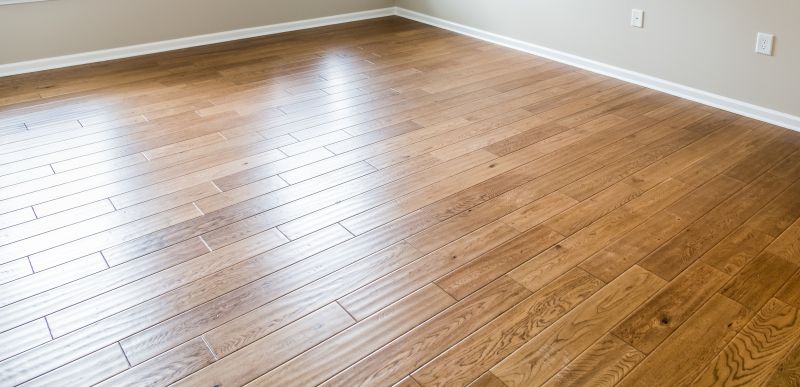
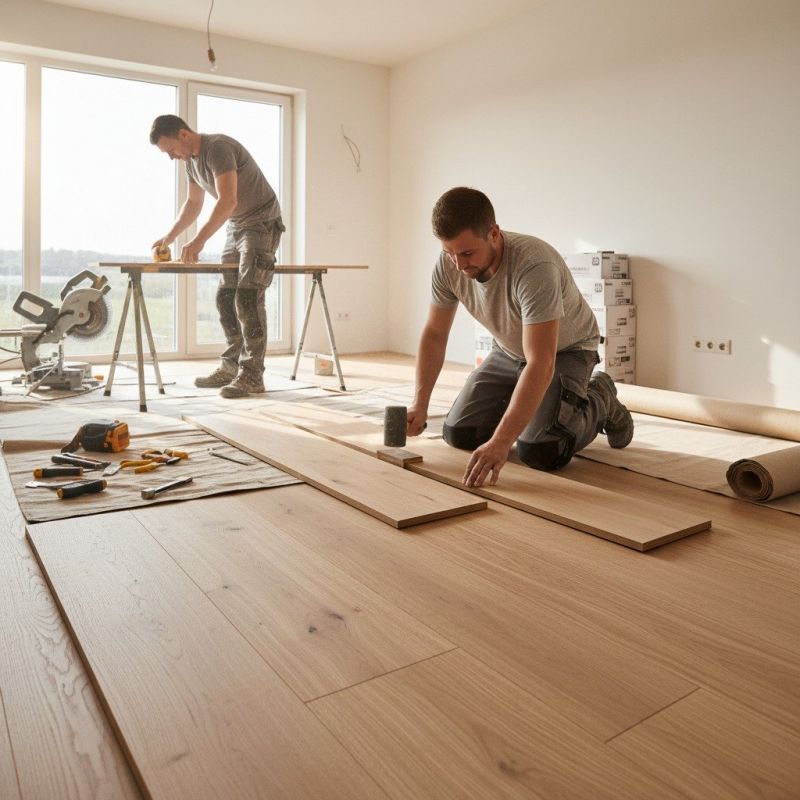
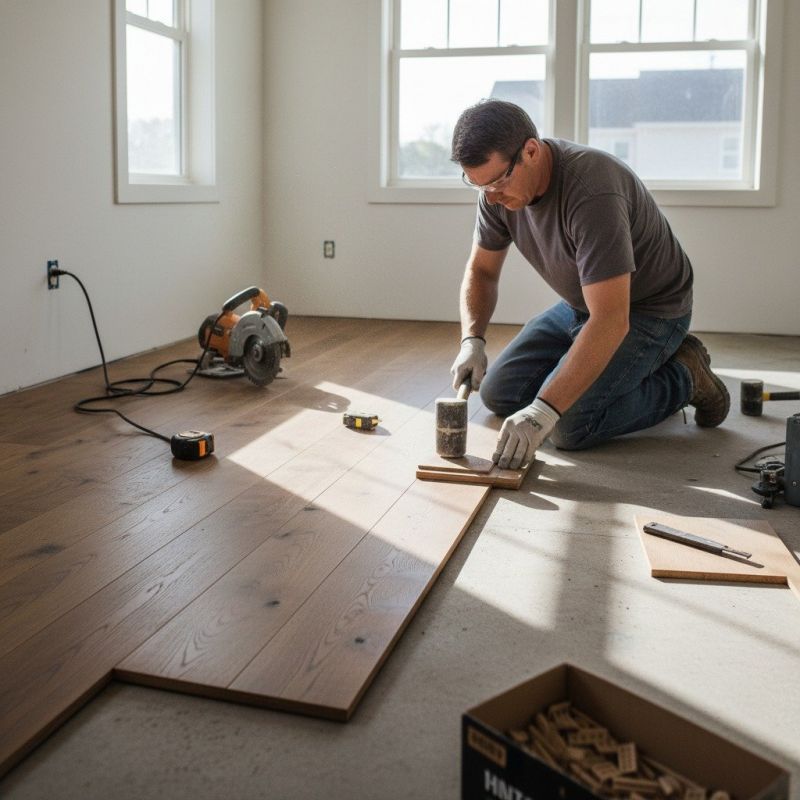
When homeowners search for information about common mistakes with DIY hardwood floor installation, they often mean to understand the typical pitfalls that can occur when attempting this project without professional help. These mistakes usually relate to planning, preparation, and execution-key areas that determine the success of a hardwood flooring upgrade. Many property owners are looking to improve their homes, whether in a single-family residence, a condo, or a multi-unit building, and want to avoid costly errors that can lead to uneven surfaces, gaps, or damaged flooring. Recognizing these common issues helps homeowners make informed decisions and understand when it’s beneficial to bring in experienced service providers who can ensure the job is done correctly the first time.
The problems associated with DIY hardwood floor installation often stem from inadequate surface preparation, improper acclimation of flooring materials, or incorrect installation techniques. For example, many homeowners overlook the importance of properly leveling the subfloor, which can cause unevenness or squeaking over time. Others may fail to allow the hardwood planks to acclimate to the room’s humidity and temperature, leading to warping or gaps later on. These issues are particularly relevant in properties with varying subfloor conditions or in climates with fluctuating moisture levels. Homeowners with plans to install hardwood in living rooms, bedrooms, or even basements should understand how these common mistakes can compromise the durability and appearance of their floors.
Certain property types tend to be more prone to these installation errors, especially those with older or uneven subfloors, or spaces with specific environmental challenges. Single-family homes with concrete slabs or uneven wooden subfloors often require precise preparation that DIY methods might not adequately address. Condos and apartments may have restrictions or unique structural considerations that complicate installation. Additionally, spaces with high moisture levels, such as basements or areas near water sources, demand careful planning and moisture control-something that inexperienced homeowners might overlook. In these situations, engaging with local contractors who specialize in hardwood flooring can help prevent mistakes and ensure the installation aligns with the property’s specific needs.
Professional hardwood floor installation services are equipped to handle the complexities that often lead to common mistakes with DIY projects. Experienced service providers understand the importance of proper subfloor assessment, moisture barriers, and acclimation procedures. They are also skilled in selecting the right materials for each property type and environmental condition. By working with local contractors, homeowners can avoid the pitfalls of improper installation, ensuring their hardwood floors are level, stable, and long-lasting. These professionals can provide valuable guidance on suitable flooring options, preparation steps, and installation techniques, helping property owners achieve a high-quality result that enhances the value and beauty of their homes.
Subfloor Preparation Projects - proper subfloor prep is essential for hardwood flooring and shares skills with other flooring or tiling projects that require a stable, level base.
Measuring and Layout Services - accurate measurement and planning are critical in hardwood installation and are similar to those needed for custom cabinetry or wall treatments.
Floor Sanding and Refinishing - refinishing existing hardwood floors involves skills comparable to those used in surface preparation and finishing for other wood-based projects.
Underlayment Installation Projects - installing underlayment for hardwood floors involves planning and material selection skills that also apply to soundproofing or moisture barrier setups.
Trim and Molding Installation - finishing floors with trim and molding requires precise measurement and carpentry skills common to other interior finishing projects.
Floor Leveling Services - leveling uneven surfaces is a common task in various renovation projects, requiring an understanding of subfloor structure and proper techniques.
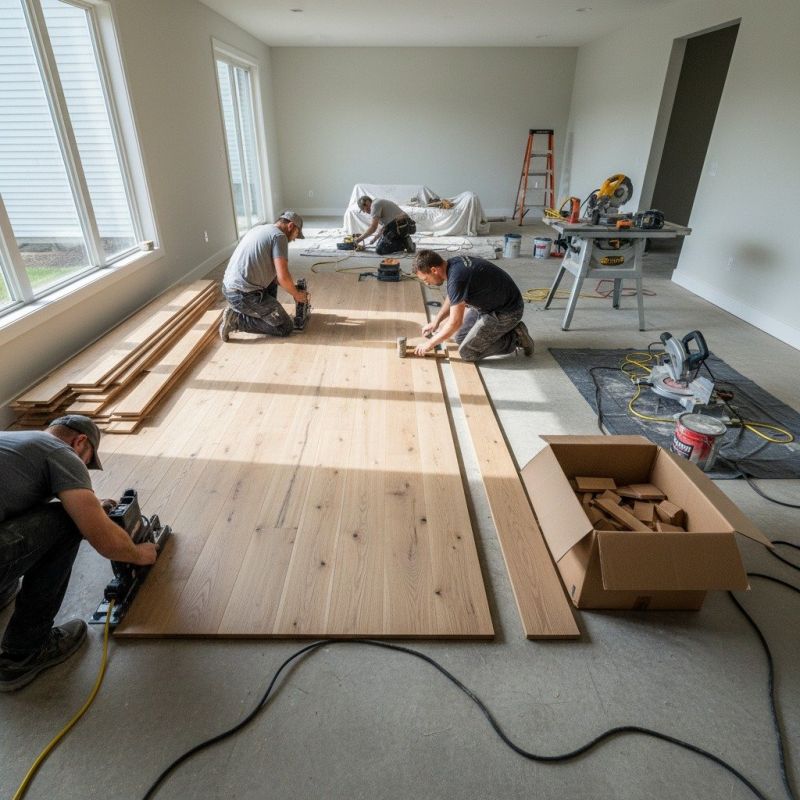
When comparing local contractors for hardwood floor installation, it is important to consider their experience with projects similar in scope and complexity. Homeowners should inquire about the types of flooring they have installed previously and seek service providers who have a proven track record with hardwood floors. An experienced contractor will be familiar with common pitfalls associated with DIY hardwood floor installation and can help ensure the project is completed smoothly, reducing the likelihood of mistakes that could compromise the finished look or durability.
Clear written expectations are essential when evaluating potential service providers. Homeowners should seek detailed estimates and scope of work that outline the responsibilities of the contractor, the materials to be used, and the timeline for completion. This clarity helps prevent misunderstandings and sets a foundation for quality work. Reputable contractors are often transparent about their processes and willing to provide documentation that supports their claims, making it easier for homeowners to compare options and choose a provider that aligns with their project goals.
Good communication is a key factor in successful hardwood floor installation projects. Homeowners should look for service providers who are responsive and willing to answer questions throughout the process. Reputable local contractors typically maintain open lines of communication, providing updates and addressing concerns promptly. This ongoing dialogue helps ensure that expectations are met and that any issues that arise are addressed early, minimizing the risk of common mistakes associated with DIY projects. Overall, selecting a contractor with a strong reputation for communication and professionalism can make a significant difference in achieving a high-quality, long-lasting hardwood floor.
Property owners often search for common mistakes homeowners make with DIY hardwood floor installation when they are planning practical projects around their homes and businesses. Local pros provide Hardwood Floor Installation services for everyday jobs and straightforward project options.
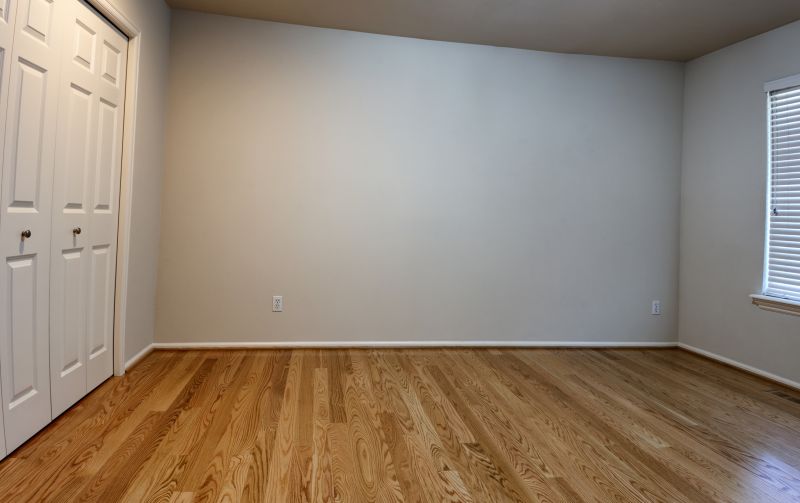
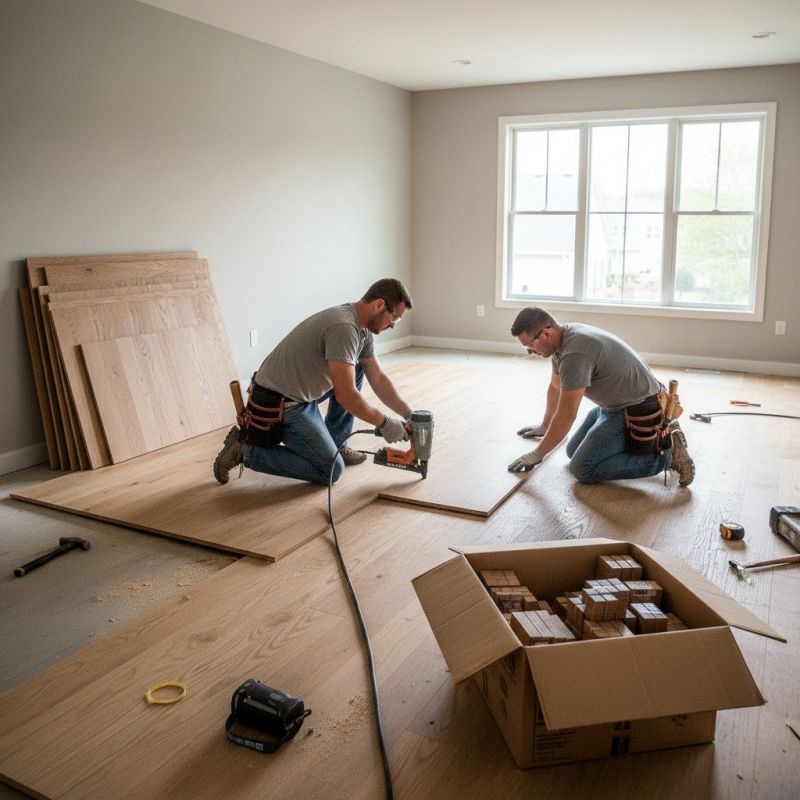
Many homeowners attempting DIY hardwood floor installation often overlook the importance of proper subfloor preparation. This step is crucial for ensuring a stable and even surface, but common mistakes include skipping moisture testing or neglecting to clean and level the subfloor thoroughly. These oversights can lead to issues like warping, buckling, or gaps over time, which may require costly repairs. To avoid these problems, property owners in the area frequently seek out local contractors who specialize in professional hardwood floor installation, as they have the expertise to prepare the subfloor correctly and ensure a long-lasting result.
Another frequent mistake involves improper acclimation of the hardwood planks before installation. Failing to allow the wood to adjust to the home's humidity and temperature conditions can cause the flooring to expand or contract after installation, resulting in gaps or buckling. Many property owners look for local service providers who can handle the acclimation process properly and install the flooring with precision. These professionals understand the importance of proper handling and installation techniques, helping to prevent common issues that arise from DIY mistakes and ensuring the finished floor maintains its appearance and durability over time.
What is a common mistake homeowners make with DIY hardwood floor installation? Many homeowners overlook proper subfloor preparation, which can lead to uneven surfaces and future damage. Hiring local contractors ensures the subfloor is correctly prepared for a durable installation.
Why is choosing the wrong type of hardwood a mistake in DIY projects? Selecting an unsuitable hardwood for the home's environment or traffic can cause warping or premature wear. Local service providers can help select the right wood for specific conditions.
How does improper acclimation affect hardwood floor installation? Failing to acclimate hardwood planks to the indoor environment can result in expansion or contraction after installation. Professional installers ensure proper acclimation to prevent these issues.
What mistake is often made during the installation process itself? Inadequate spacing and nailing techniques can lead to squeaking and buckling. Experienced local contractors follow best practices to ensure a stable, long-lasting floor.
Why is neglecting finishing and sealing a common error? Skipping proper finishing or sealing can expose hardwood to moisture and damage. Local pros provide expert finishing to protect and enhance the floor’s appearance and longevity.
Skipping proper subfloor preparation - ensuring the subfloor is clean, level, and dry helps prevent future issues like warping or squeaking, and local contractors can handle this step effectively.
Choosing the wrong type of hardwood - selecting a flooring material that suits the home's environment and traffic levels can reduce damage and maintenance needs, with local pros offering guidance on best options.
Neglecting acclimation of hardwood planks - allowing flooring to adjust to indoor humidity and temperature before installation helps prevent gaps or buckling, which experienced service providers can facilitate.
Ignoring manufacturer installation instructions - following specific guidelines ensures proper installation and warranty compliance, and local contractors are familiar with these requirements for a smooth project.
If you are thinking about common mistakes homeowners make with DIY hardwood floor installation for a property, this guide is meant to help you understand this topic, the typical project types, and how different options might fit your plans.
When you are ready, you can use the quote form on this page to share a few details about your project. From there, local pros can review the basics and follow up with options that match what you have in mind.